

Understanding the SRS System in Acura RDX
The Supplemental Restraint System (SRS) in the Acura RDX is an essential safety feature designed to protect occupants in the event of a collision. This advanced airbag system works in tandem with traditional seatbelts to provide an additional layer of security. Upon detecting an impact, the SRS system activates the airbags strategically placed throughout the vehicle, ensuring that passengers are cushioned and shielded from injury. The SRS is engineered to deploy in varying scenarios, depending on the severity and angle of the collision, making it a critical component of vehicle safety technology.
The airbag serves as the most recognizable element of the SRS. However, several technical components contribute to the system’s function. Central to this setup is the airbag control unit, which processes input from multiple sensors located throughout the vehicle. These sensors measure parameters such as speed, deceleration, and impact force, triggering airbag deployment as necessary. Additionally, the system includes wiring that connects the sensors to the control unit and the airbags themselves, ensuring rapid communication and response in emergencies.
Illumination of the SRS light on the dashboard can indicate potential issues within this safety system. Common reasons for the SRS light to activate include malfunctioning sensors, electrical wiring faults, or even the need for maintenance following an accident. It is imperative to address these warnings promptly, as they signify that the airbag system may not function correctly in the event of a crash. Understanding the complexities of the SRS in the Acura RDX not only underscores its importance but also empowers vehicle owners to maintain their safety features effectively.
Identifying the Location of the SRS Reset Chip
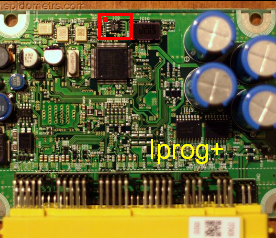
Locating the SRS reset chip in the Acura RDX is essential for conducting an airbag crash reset. The SRS reset chip is typically situated within the vehicle’s interior, particularly under the dashboard, near the steering column or the passenger side. To begin the process, it is advisable to prepare by gathering the right tools to ensure safety and efficiency. A basic toolkit containing a screwdriver set, sockets, and a flashlight will suffice for this task.
Before commencing work, it is crucial to take safety precautions. Ensure the vehicle is parked on a flat surface, and the ignition is turned off. Additionally, disconnect the negative terminal of the battery to eliminate any risk of electrical shock or accidental deployment of the airbag system during your inspection. Allowing a few minutes for the SRS system to safely discharge is a prudent step.
Once you are ready, start by carefully removing the lower dashboard panel on the driver’s side. This panel typically involves several screws that you will need to unscrew with a screwdriver. As you proceed, exercise caution to avoid damaging any clips or fasteners holding the panel in place. After dismantling this section, you will have a clear view of the wiring and modules. The SRS reset chip often resides in a small housing or connector that is either clipped in or secured with bolts.
Should you need to access the passenger side, repeat the same steps to remove any obstructions while being mindful of any airbags or connectors in that area. Remember that the reset chip is designed to be somewhat concealed, so it may take extra inspection to locate it accurately. Carefully documenting your progress will ensure a smoother reassembly once the reset process is complete.
Step-by-Step Guide to Resetting the Airbag System
Resetting the airbag system in your Acura RDX using the SRS reset chip can be accomplished through a series of systematic steps. Begin by ensuring that your vehicle is parked on a flat surface, and turn off the ignition. It is crucial to disconnect the battery to prevent any electrical mishaps during this process. To do this, locate your car’s battery, usually found under the hood. Using a wrench, carefully disconnect the negative (-) terminal first. This step will help to avoid short circuits and preserve vehicle safety.
Once the battery has been disconnected, allow the vehicle to stay off for at least 10 minutes. This waiting period helps to reset any residual power in the system. After the time has elapsed, proceed to locate the SRS reset chip. In the Acura RDX, this component is often situated near the vehicle’s fuse box or beneath the driver’s seat. It is advisable to consult your vehicle’s service manual for precise location directions, as this may vary slightly between model years.
After locating the SRS reset chip, connect the diagnostic tool or jumper wire as needed. Follow the manufacturer’s instructions carefully to perform the reset. Once the reset is complete, firmly reconnect the battery, starting with the positive (+) terminal followed by the negative (-) terminal. It is essential to ensure that all connections are secure to prevent any future issues.
Finally, turn on the ignition and check if the SRS light on the dashboard has turned off. If the light remains illuminated, double-check all connections, reset procedures, and potential error codes using an OBD-II scanner. Common pitfalls during this process include overlooking battery disconnection and mispositioning the reset chip. Adhering to these steps meticulously will facilitate an effective airbag system reset.
Troubleshooting Common SRS Issues After Reset
After performing an SRS reset on your Acura RDX, it is not uncommon for vehicle owners to encounter various issues related to the airbag system. One of the most prevalent concerns is when the airbag warning light continues to remain illuminated post-reset. This cannot be overlooked, as the light serves as a crucial indicator of the airbag system’s status. If the warning light persists, it may signify an underlying issue that is preventing the system from functioning correctly.
Another sign of potential malfunction may include unexpected behaviors during vehicle operation, such as abnormal readings from the onboard diagnostics or any unusual noises when deploying the airbag. Additionally, if you notice that any of the airbag components appear damaged or if the seats and seat belts show irregularities, these could point to further complications. It is essential to monitor these signals closely, as they may indicate a need for further investigation into the system.
In circumstances where the warning light remains active or other symptoms arise, it is advisable to consult a professional mechanic. Experts possess the necessary diagnostic tools to accurately assess the SRS system and perform any additional troubleshooting that may be required. Ignoring ongoing issues with the airbag system can lead to severe consequences in the event of an accident, underscoring the importance of immediate follow-up.
To minimize future SRS faults, regular vehicle maintenance is recommended. This may include routine checks of the wiring harness, ensuring that all connectors are secure, and keeping the communication lines between components clear. Maintaining the Acura RDX SRS system is non-negotiable, as it plays a critical role in occupant safety. Prioritizing this aspect can enhance not only the reliability of the airbag system but also contribute to the overall safety of you and your passengers.



Customer Reviews
Thanks for submitting your comment!